
 RIGENESI
science diplomacy & communication for olive sector regeneration

The RIGENESI – Science Diplomacy and Communication for Olive Sector Regeneration project is an initiative implemented under the Cooperation Agreement between the Regione Puglia and CIHEAM Bari for the execution of the “Extraordinary Plan for the Regeneration of Olive Growing in Puglia”, Article 18 “Communication and Information” – Action 4.2. Its objective is to strengthen scientific, institutional, and technical capacities for managing the emergency caused by Xylella fastidiosa.
RIGENESI aims to promote advanced training, international cooperation, and knowledge exchange across the Euro-Mediterranean region, consolidating Puglia’s role as a reference hub for olive sector regeneration and scientific diplomacy.
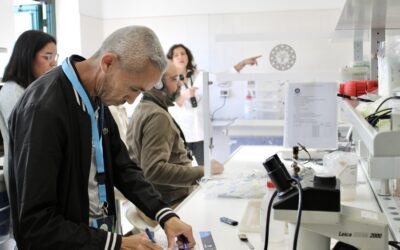
Second Edition of RIGENESI Research Bootcamp Concludes, Bringing Together the Shores of the Mediterranean for Plant Health
SECOND EDITION OF RIGENESI RESEARCH BOOTCAMP CONCLUDES, BRINGING TOGETHER THE SHORES OF THE MEDITERRANEAN FOR PLANT HEALTHTwelve representatives of institutions, plant protection services and research centres from Tunisia, Algeria and Morocco took part in the RIGENESI...

The Second Edition of the Research Bootcamp Kicks Off, Offering Specialised Training for Plant Health Officials from Mediterranean Countries
The Second Edition of the Research Bootcamp Kicks Off, Offering Specialised Training for Plant Health Officials from Mediterranean CountriesBari - The Puglia Region and CIHEAM Bari are launching the second edition of the RIGENESI Project Research Bootcamp, a...

Research and International Cooperation: Key Priorities Emerging from the 5th European Conference on Xylella fastidiosa
Research and International Cooperation: Key Priorities Emerging from the 5th European Conference on Xylella fastidiosaBari - How can more than twelve years of experience in managing Xylella fastidiosa be transformed into practical tools for addressing future...

More Than 12 Years of Experience in Managing Xylella fastidiosa: Lessons Learned and Emerging Challenges – On 25 June 2026, European institutions, plant health authorities and researchers will gather at CIHEAM Bari to discuss lessons learned from managing the emergency and future perspectives
More Than 12 Years of Experience in Managing Xylella fastidiosa: Lessons Learned and Emerging Challenges On 25 June 2026, European institutions, plant health authorities, and researchers will gather at CIHEAM Bari to discuss lessons learned from managing the emergency...

Science Diplomacy for Plant Health: Puglia Region and CIHEAM Bari Promote Strategic Dialogue in the Balkans
Science Diplomacy for Plant Health: Puglia Region and CIHEAM Bari Promote Strategic Dialogue in the Balkans Research and governance for a common response to phytosanitary emergenciesBARI / PODGORICA / TIRANA – The management of phytosanitary emergencies is becoming an...
Objectives
To strengthen scientific and institutional capacities for managing Xylella fastidiosa, promoting advanced training, innovation and Euro-Mediterranean cooperation for the sustainable regeneration of Apulia’s olive heritage.

Advanced training
Learning and exchange opportunities, along with intensive training programmes held annually at CIHEAM in Bari.

Innovation
Strong research and scientific focus to enhance knowledge and best practices in managing phytosanitary emergencies.

Euro-Mediterranean Cooperation
Promoting and strengthening scientific cooperation among institutions and experts in the Mediterranean region.


Beneficiaries
Public institutions, research bodies, farmers, phytosanitary service officials, technicians, and civil society representatives from three Mediterranean regions, engaged in a joint effort to promote prevention, regeneration, and sector development.


Activities
Intensive three-week advanced training programme involving institutions, technicians, and experts from three areas of the Mediterranean: the Balkans, the Maghreb, and the Mashreq.
To foster multi-level dialogue and promote cooperation protocols among agricultural ministries, local and international institutions, plant health authorities, and universities.
Multilingual publications, including infographics, designed to support researchers and policy-makers in tracking and disseminating scientific developments in plant health.
